Source Niacinamide Anti Puffiness Face Oil for Face, Neck, and Nose
Explore 30 verified listings for niacinamide anti puffiness face oil designed for daily facial skincare. Compare features like whitening, anti-aging, and moisturizing effects across various certifications and packaging options from China-based manufacturers; compare the available evidence and request quotations based on your requirements.
Key considerations
Products List


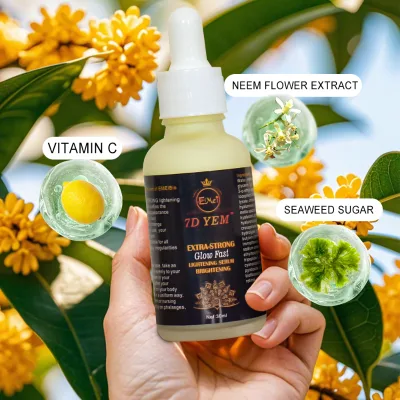
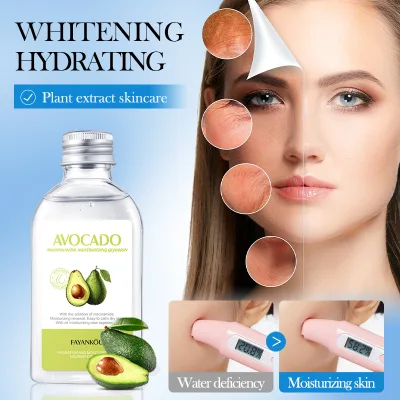
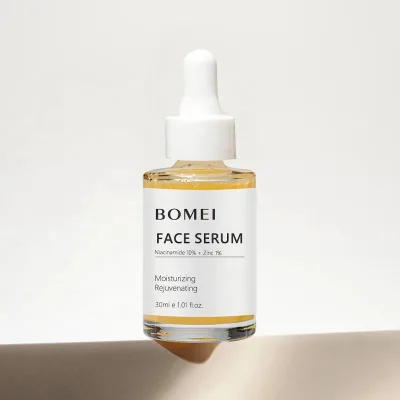


Comprehensive Sourcing Guide
Niacinamide Anti Puffiness Face Oil Sourcing Guide
Buyers seeking niacinamide anti-puffiness face oil must first distinguish between serum formulations and oil-based blends, as the supplied data indicates a mix of product types including herbal oils and standard serums. While some listings explicitly feature niacinamide as a core ingredient, others rely on collagen or vitamin C, requiring careful verification to ensure the specific anti-puffiness claim aligns with the actual formulation. Procurement teams should prioritize suppliers who clearly label the primary active ingredient to avoid receiving generic moisturizers that lack the targeted efficacy for reducing facial swelling.
The observed market signals reveal a diverse range of packaging standards, from 30ml and 60ml bottles to 50g units packed in cartons or individual boxes. This variation suggests that buyers must define their volume requirements early, as the minimum order quantities observed span from 10 to 10,000 units, significantly impacting unit economics. Understanding whether the supplier offers customization for specific bottle sizes or packaging materials is critical, as the standard 30ml or 60ml formats may not align with the specific branding or retail constraints of the buyer's target market.
Product Scope and Observed Listing Signals
The product scope for niacinamide anti-puffiness face oil encompasses a variety of functional claims, including anti-aging, lightening, and skin revitalization, which are frequently bundled with the primary puffiness reduction goal. Buyers should note that while some listings specify the use for the face, others extend the application to the neck and nose, indicating a broader scope of use that may require different formulation viscosities. It is essential to verify if the "anti-puffiness" feature is supported by the specific ingredient profile, such as the presence of niacinamide, rather than relying solely on general marketing terms like "skin beauty" or "lightening."
Listing signals also highlight a significant variation in ingredient profiles, with some products emphasizing herbal oils while others focus on synthetic actives like retinol or hyaluronic acid. This inconsistency means that a search for niacinamide-specific products may yield results where niacinamide is a minor component rather than the main driver of the anti-puffiness effect. Procurement teams must scrutinize the "Main Ingredient" and "Key Ingredients" fields to confirm that niacinamide is present in a concentration sufficient to deliver the promised clinical benefits for facial puffiness.
Technical Specifications to Verify
Technical verification begins with confirming the physical weight and volume specifications, as the data shows products ranging from 30ml to 60ml and 50g units. Buyers must ensure that the selected product model, such as 0010 or MK20251210C, matches the intended retail packaging size, as discrepancies between the listed standard and the actual delivered volume can lead to compliance issues with local labeling laws. Additionally, the material composition, which includes glass and plastic options, must be evaluated for compatibility with the oil-based formulation to prevent degradation or leakage during transit.
Shelf life and storage conditions are equally critical technical parameters, with observed data indicating a three-year shelf life for certain items. Buyers should verify the stability of the niacinamide and oil blend under these conditions, ensuring that the product remains effective throughout its intended lifespan. The single package size and gross weight, such as 6x4x3 cm and 0.300 kg, are vital for calculating logistics costs and determining the optimal shipping method, particularly when importing from Foshan City, Guangdong Province, where the origin is frequently cited.
Compliance and Safety Documentation
Compliance verification requires a rigorous check of the certification documents provided by the supplier, as the observed data lists CE, EEC, FDA, GMP, and MSDS as common credentials. Buyers must confirm that the specific product batch holds the necessary FDA or GMP approvals for the target market, as the presence of these certifications on a general listing does not guarantee that every SKU is compliant. The MSDS is particularly important for oil-based products to ensure safe handling and transport, especially when the formulation includes volatile or reactive ingredients like herbal extracts.
Safety documentation must also address the intended user demographics, as the data indicates applicability for both female and male users across all age groups. Procurement teams should request evidence that the product has been tested for safety on the specific skin types it claims to treat, ensuring that the anti-puffiness and lightening claims do not result in adverse reactions. The absence of specific test results in the provided facts necessitates a direct request for third-party safety reports before finalizing any large-scale order.
Cost Drivers and Commercial Terms
Cost drivers in this category are heavily influenced by the complexity of the formulation and the level of customization offered, with prices observed between 0.2 and 5.6 USD per unit. Buyers should anticipate higher costs for products featuring multiple active ingredients like niacinamide, vitamin C, and retinol, as these require more sophisticated manufacturing processes and quality control measures. The choice of packaging material, such as glass versus plastic, also significantly impacts the final unit cost, with glass options typically commanding a premium due to their perceived quality and higher shipping weight.
Commercial terms must be negotiated with attention to the wide range of minimum order quantities, which span from 10 to 10,000 units. Smaller MOQs may offer flexibility for testing the market but often come with higher per-unit costs, while larger orders can leverage economies of scale but require significant capital commitment. Buyers should clarify the lead times associated with custom packaging and formulation adjustments, as these variables can extend the production schedule and affect the overall time-to-market for the niacinamide anti-puffiness face oil.
Supplier Qualification and Quality Control
Supplier qualification should focus on verifying the origin of the product, with Foshan City, Guangdong Province, being a frequently cited location for these goods. Buyers must assess the supplier's manufacturing capabilities to ensure they can consistently produce the specific niacinamide concentration required for anti-puffiness efficacy. It is crucial to confirm that the supplier has a robust quality control system in place, particularly for products claiming to be herbal oils or containing multiple active ingredients, to prevent batch-to-batch variability.
Quality control protocols must include regular testing for the stability of the oil blend and the potency of the niacinamide content over the product's shelf life. Buyers should request samples that match the exact specifications of the intended order, including the specific model number and packaging type, to verify that the physical attributes align with the technical data provided. Establishing a clear communication channel for addressing any quality deviations is essential, as the observed data suggests a high degree of variation in product features and ingredients across different listings.
Long-Term Procurement Checks
Long-term procurement checks should involve periodic re-verification of the supplier's certification status, as regulatory requirements and compliance standards can change over time. Buyers must ensure that the GMP, FDA, and other certifications remain valid for the specific product lines being sourced, as the initial approval does not guarantee ongoing compliance. Regular audits of the manufacturing facility can help identify potential risks in the supply chain, ensuring that the quality of the niacinamide anti-puffiness face oil remains consistent with the initial purchase.
Market trends and consumer preferences for anti-puffiness and lightening products may shift, requiring buyers to stay agile in their sourcing strategies. It is advisable to maintain a relationship with multiple suppliers to mitigate the risk of supply disruptions and to ensure access to the latest formulations and packaging innovations. Continuous monitoring of the product's performance in the market, including customer feedback on efficacy and safety, will provide valuable insights for future procurement decisions and help maintain a competitive edge in the skincare sector.
FAQs
What are the main ingredients in niacinamide anti puffiness face oil?
The main ingredients typically include niacinamide, collagen, and vitamins such as vitamin C and hyaluronic acid. These components work together to provide anti-aging, whitening, and moisturizing benefits. Some formulations also feature herbal extracts for skin revitalization and pigmentation correction, ensuring comprehensive facial care for all ages.
Can niacinamide anti puffiness face oil be customized for branding?
Yes, customization is available for many face oil products. Buyers can often request specific packaging, such as boxes or cartons, and tailor the formulation to highlight key features like anti-wrinkle or firming effects. This flexibility allows businesses to create unique products that meet specific market demands and branding requirements effectively.
What certifications are required for niacinamide anti puffiness face oil?
Common certifications include CE, EEC, FDA, GMP, and MSDS. These ensure the product meets international safety and quality standards for cosmetic use. Manufacturers typically provide these documents to verify compliance, which is essential for importing and selling face oils in regulated markets, ensuring consumer safety and product legitimacy.
What is the typical shelf life of niacinamide anti puffiness face oil?
The typical shelf life is three years when stored properly. This duration ensures the stability of active ingredients like niacinamide and vitamins. Buyers should check expiration dates upon receipt and store products in cool, dry places to maintain efficacy. Proper storage extends usability and preserves the anti-aging and whitening properties.
What packaging options are available for niacinamide anti puffiness face oil?
Packaging options include glass or plastic bottles, often sold in boxes or cartons. Standard sizes range from 30ml to 60ml, with some products packaged as 50g per bottle. Bulk orders may come in cartons containing multiple bottles, facilitating easy distribution and retail display while protecting the product from damage.
Where are niacinamide anti puffiness face oils typically manufactured?
These products are typically manufactured in China, with specific origins like Foshan City in Guangdong Province. This region is known for its robust cosmetic manufacturing infrastructure. Buyers can source from various factories in this area, ensuring access to a wide range of suppliers with different capabilities and production scales.